
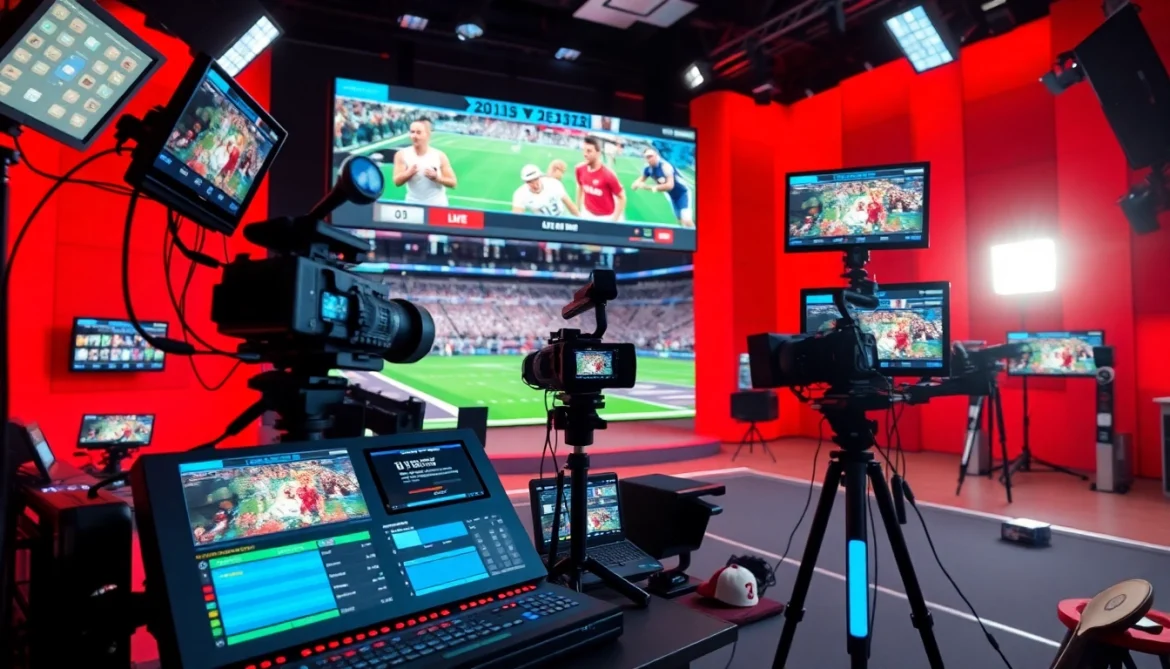
Understanding Sports Broadcasting
Definition and Importance of Sports Broadcasting
Sports Broadcasting refers to the airing of sports events, discussions, and analyses via television, radio, or online platforms. It plays an essential role in engaging billions of fans worldwide, serving not only as a source of entertainment but also as a vital medium for fan interaction and information dissemination. The growth of Sports Broadcasting has made it possible for viewers to follow their favorite teams or events from the comfort of their homes, fostering a sense of community among fans and stakeholders alike.
History of Sports Broadcasting Evolution
The journey of sports broadcasting began in the early 20th century with radio broadcasts that allowed fans to connect with sports events remotely. In the 1930s, television started to revolutionize how sports were consumed, with events like the 1936 Berlin Olympic Games being broadcast live. The evolution continued through the decades with the introduction of color television in the 1960s, the explosion of cable networks in the 1980s, and the digital age bringing streaming services that allow access to a plethora of sports regardless of geographical barriers. Each phase has played a crucial role in shaping the industry, contributing to the availability and quality of sports content.
Key Players in the Sports Broadcasting Industry
The sports broadcasting landscape is occupied by a mix of traditional and emerging players. Traditional networks like national and regional broadcasters have long been the mainstay, investing in rights to air major sports events. Meanwhile, digital platforms and streaming services like online sports channels and mobile apps have disrupted the market by providing on-demand viewing options and tailored content. Additionally, social media platforms have begun to collaborate with sports leagues to provide live content and highlights, capturing audiences‘ attention in new and interactive ways.
Technology in Sports Broadcasting
Current Technologies in Sports Broadcasting
The current technological advancements have dramatically transformed how sports broadcasting is conducted. From High Definition (HD) and Ultra High Definition (UHD) broadcasts that enhance viewer experience to Augmented Reality (AR) and Virtual Reality (VR) that take fan interactivity to new heights, technology is redefining the spectator experience. Enhanced graphics, player stats overlays, and 4D viewing experiences provide consumers with a richer understanding of the game. These technologies not only engage viewers but also offer advertisers new avenues to reach target audiences effectively.
The Role of Streaming Services in Sports Broadcasting
Streaming services have created a paradigm shift in how sports content is consumed. With the rise of platforms like ESPN+, DAZN, and others, viewers can access a wide range of sports events on-demand, breaking free from traditional broadcasting schedules. These platforms commonly offer subscription models that provide a more personalized viewing experience. The ability to watch highlights, replays, and even exclusive behind-the-scenes content has made streaming platforms a critical player in the sports ecosystem, catering to the preferences of modern audiences.
Future Tech Trends Impacting Sports Broadcasting
Looking ahead, several technological trends are poised to reshape sports broadcasting. Artificial Intelligence (AI) is increasingly used for content creation and analysis, generating insights automatically from games. Blockchain technology could revolutionize rights ownership and distribution, ensuring transparency and efficiency. Additionally, 5G networks promise to enhance streaming quality and accessibility, enabling real-time data delivery and augmented fan experiences. Embracing these trends will be necessary for sports broadcasters to stay competitive and relevant in a rapidly evolving arena.
Content Creation and Distribution
Types of Content in Sports Broadcasting
Content in sports broadcasting can be categorized into various types, including live event coverage, pre- and post-game shows, expert analyses, documentaries, and even fan-generated content. Live coverage remains the backbone, providing real-time action and excitement. Meanwhile, in-depth analyses and interactive content cultivate deeper engagement, allowing viewers to connect emotionally with the sports and athletes they follow. The challenge for broadcasters lies in balancing the delivery of a variety of content types that cater to diverse audience preferences.
How to Optimize Content for Audience Engagement
Engaging content requires an understanding of the target audience. By employing data analytics to gauge viewer preferences, broadcasters can tailor their offerings to better suit their audience’s needs. Utilizing multi-platform strategies, such as social media interactions, polls, and live Q&A sessions, can further enhance engagement. Storytelling is key; compelling narratives about athletes and events resonate with viewers, making them feel part of the sports journey. Investing in quality production, vibrant graphics, and expert commentary also aids in holding viewer attention.
Best Practices for Distributing Sports Broadcasting Content
Efficient distribution of sports content is crucial in maximizing reach and engagement. Leveraging multiple channels – traditional TV networks, streaming services, social media, and official websites – allows for broader audience engagement. Utilizing SEO and targeted advertising strategies ensures that content reaches the most relevant demographics. Timing is another critical factor; content should be released in sync with viewership patterns, especially during high-profile events. Collaboration with influencers and sports personalities can also amplify reach and enhance credibility.
Challenges in Sports Broadcasting
Legal and Ethical Challenges in Sports Broadcasting
Sports broadcasters navigate a complex web of legal and ethical challenges. Copyright issues surrounding broadcasting rights must be meticulously managed to avoid legal repercussions. Ethical considerations arise in reporting and presenting content, particularly regarding the portrayal of athletes and events. When covering sensitive topics, such as personal issues involving players, a balance must be struck to maintain integrity without sensationalizing the narratives. Staying informed about legal requirements and adopting transparent practices is critical for preserving trust and compliance.
Monetization Challenges in Sports Broadcasting
The financial side of sports broadcasting faces several hurdles, particularly in an era of digital transformation. Traditional advertising revenue models are being challenged by ad-blocking technologies and changing consumer behaviors. Subsequently, financial models must adapt to incorporate subscription services and pay-per-view options without compromising viewership. Finding alternative monetization strategies, including partnerships and sponsorships, will be vital to ensure profitability while still delivering quality content that audiences desire.
Audience Retention Strategies in Sports Broadcasting
Retaining an audience in the sports broadcasting sector hinges on understanding viewer preferences and behavioral trends. Incorporating features that promote community engagement, such as live chats or interactive polls during broadcasts, enhances viewer loyalty. Regularly updating content offerings including exclusive interviews and behind-the-scenes access keeps the audience returning. Personalized content recommendations based on viewer habits further strengthen retention efforts by instilling a feeling of connection and relevance among viewers.
Performance Metrics and Future Trends
Key Metrics for Measuring Success in Sports Broadcasting
Effective measurement of success in sports broadcasting involves analyzing both quantitative and qualitative metrics. Viewership numbers, including average watch time and peak viewership rates, highlight audience engagement. Social media interactions and audience demographic insights provide richer narratives behind the numbers. Additionally, of importance is measuring advertising revenue and ROI from marketing efforts, providing tangible data to inform strategy adjustments. Overall, a comprehensive approach to assessing performance will increasingly guide broadcasting strategies.
Future Trends Impacting the Sports Broadcasting Landscape
The landscape of sports broadcasting is set to evolve with trends like increased viewer participation through gamification, allowing fans to influence game outcomes or live broadcasts in real-time. The rise of esports highlights growing interest beyond traditional sports, creating new broadcasting opportunities. Additionally, sustainability initiatives within the industry are gaining traction, addressing an increasing consumer focus on eco-consciousness. These trends will lead to innovative content formats and engagement strategies, enhancing the future of sports broadcasting.
Adapting to Changes in Audience Preferences in Sports Broadcasting
As the audience’s preferences shift, sports broadcasters must remain adaptable and innovative. Understanding the younger demographic, which favors on-demand content and interactive formats, is critical. Strategies such as offering mobile-friendly formats, emphasizing online accessibility, and curating diverse content types can meet these demands. Continuous feedback loops from audience interactions can inform future content and strategy, ensuring the broadcaster remains aligned with evolving viewer expectations, ultimately fostering loyalty and growth.
Frequently Asked Questions (FAQs)
What is sports broadcasting?
Sports broadcasting involves airing sports events and discussions through television, radio, or online platforms, connecting fans to their favorite games and athletes.
How has technology changed sports broadcasting?
Technology has introduced HD broadcasts, streaming services, AR, VR, and AI, enhancing viewer experiences and enabling personalized content delivery.
What are the challenges in sports broadcasting?
Challenges include legal and ethical concerns, revenue generation, and retaining audiences in a rapidly changing digital landscape.
How do streaming services influence sports broadcasting?
Streaming services provide on-demand access, personalized content, and innovative viewing options that challenge traditional broadcasting models.
What metrics are essential for measuring success in sports broadcasting?
Important metrics include viewership numbers, audience engagement rates, advertising revenue, and social media interactions, which inform future strategies.